
For those of us who work with Cisco technology, Cisco Live is the undisputed event of the year. The massive amount of announcements in Las Vegas was living proof of the old adage: “First we build our tools, and then our tools build us”. If earlier conferences hinted at the potential of AI, Cisco Live US 2026 delivered the concrete blueprint for how we actually build, operate, and secure it.
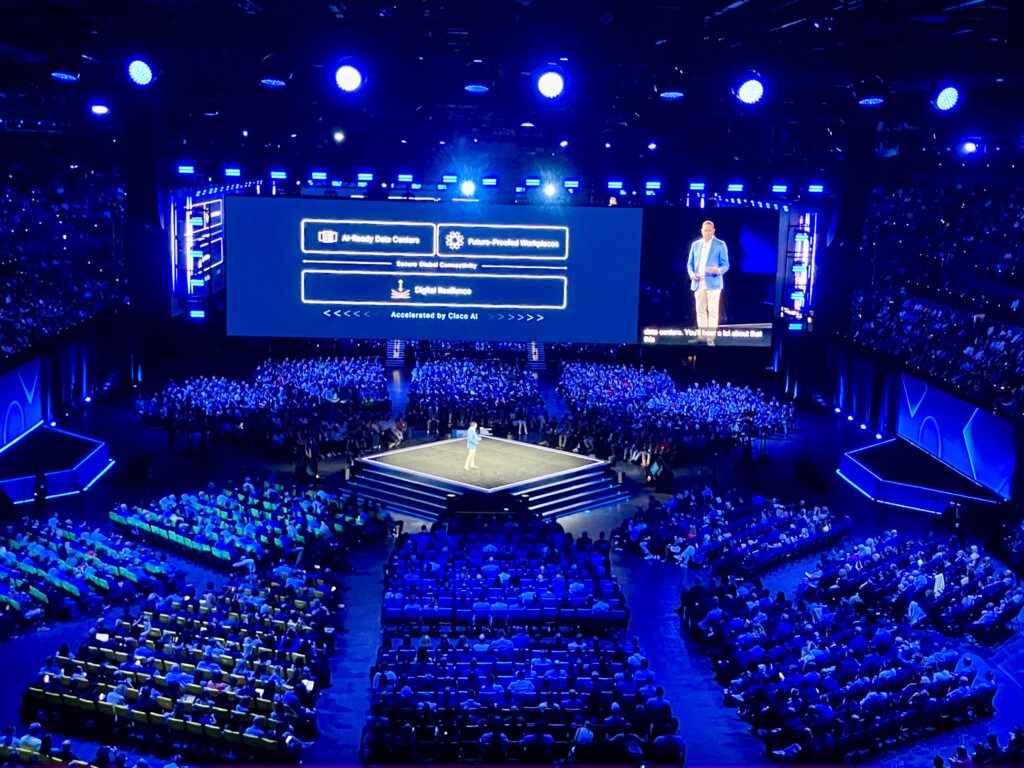
The unmistakable message echoing through the keynote halls? The future of infrastructure operations isn’t just automated; it is agentic. Of course, there is a huge batch of cool updates to the networking and data center infrastructure portfolios, but these days hardware is taken for granted and isn’t in the forefront anymore.
Here is a breakdown of the major themes and announcements that are set to redefine how we interact with enterprise and data center networks.
Infrastructure Modernization at Machine Speed
It’s no secret that artificial intelligence is fundamentally restructuring the enterprise IT. During the event, it was highlighted that AI-driven network traffic—specifically complex machine-to-machine inference traffic—is expected to triple in the next three years alone. Unlike humans, agents don’t get tired and can pretty much work 24/7, so this poses a major paradigm in resource utilisation and hence resource management as well.
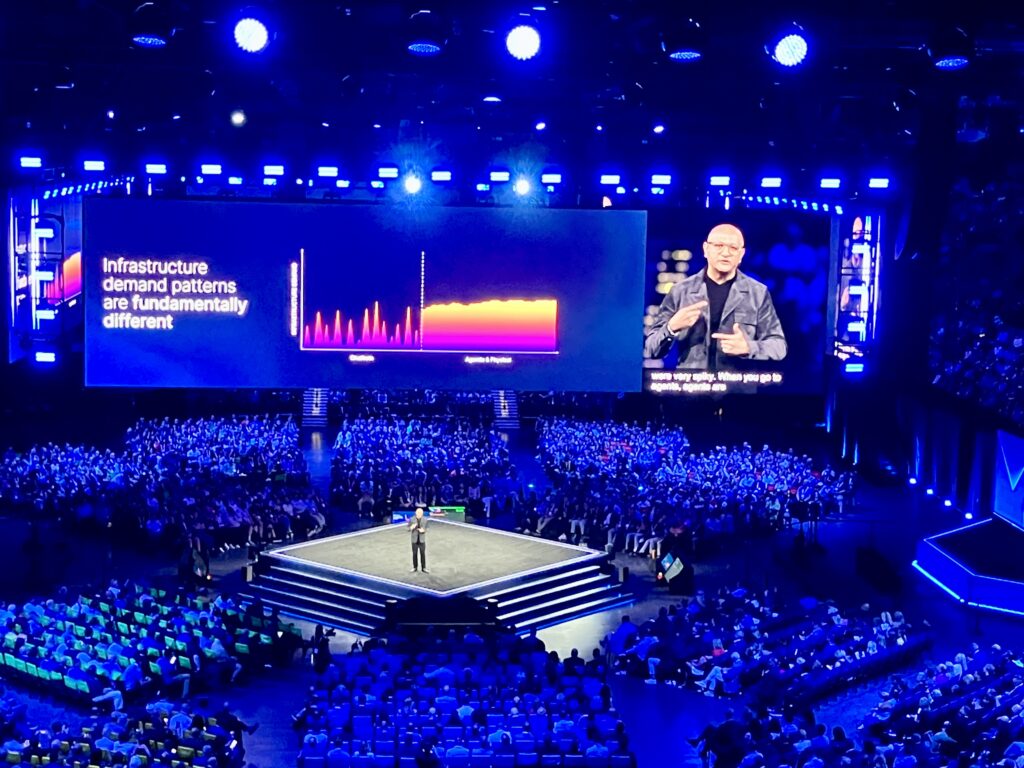
But the surge in AI-related costs means we can’t just throw more bandwidth and hardware resources at the problem. Cisco is heavily emphasizing the need for fundamentally efficient and resilient, high-performance infrastructure that spans all the way from the silicon up to the platform layer. This systems-level modernization ensures that the sheer volume of next-generation traffic doesn’t compromise the enterprise stability and high-availability.
One Portal to Rule Them All: Cisco Cloud Control
Undoubtedly, the cornerstone announcement of the keynote was Cisco Cloud Control. If you watched the main keynote, you could feel the paradigm shift in how Cisco views network and infrastructure management.
Cisco Cloud Control is a unified, command-center platform designed to collapse the historical silos between networking, security, compute, and observability. It bridges the gap by providing a shared operational context where human operators and trusted AI agents work from the exact same data layer.
This isn’t just another dashboard for visibility; it’s an engine of action. Operators can now manage the entire Cisco portfolio, automate complex workflows, and troubleshoot across domains using natural language. Through features like Cloud Control Studio (which includes Agent Builder and App Builder), organizations can customize their own AI workflows. It simplifies incredibly complex operations without sacrificing an ounce of technical sophistication, all while ensuring that human operators remain firmly in control to govern and validate actions.
Note: Cisco Cloud Control shapes up to be the elusive “Holy Grail” of infrastructure management. While the industry is littered with failed attempts at a true all-in-one platform, Cisco might actually pull it off this time.
The most promising sign? Every single live demo across the entire Cisco portfolio was run directly through Cisco Cloud Control. By anchoring their own keynote on the platform, Cisco isn’t just making promises—they are actively walking the talk.
Agentic Security & Observability
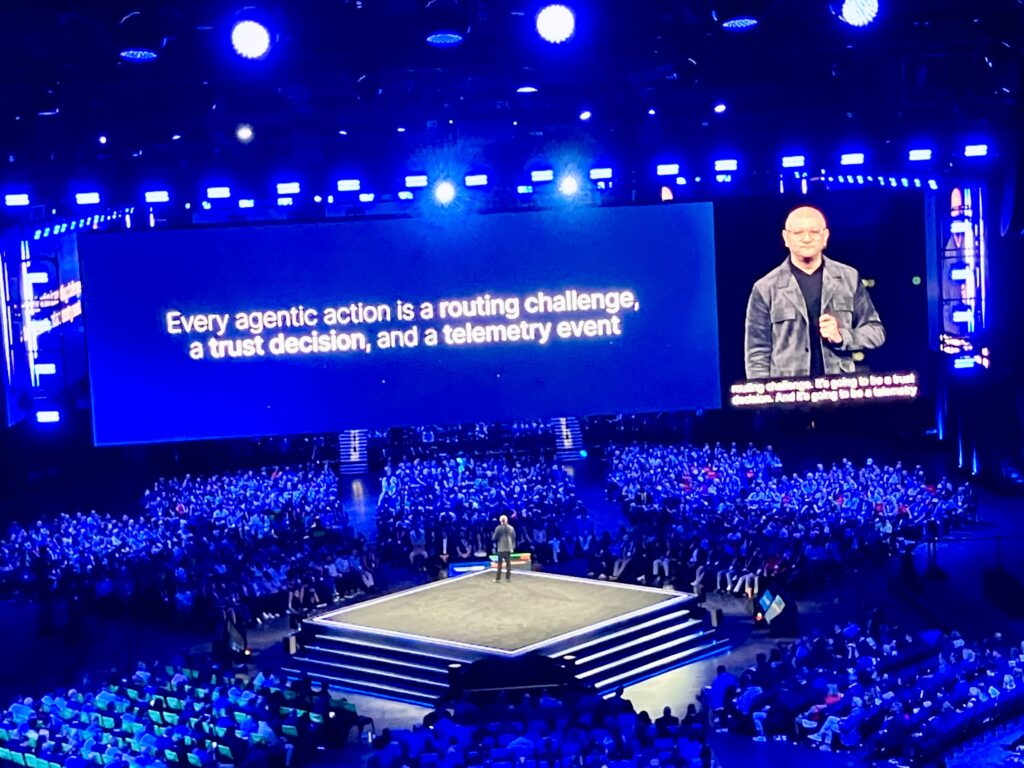
As we introduce autonomous AI agents into our daily operational workflows, the threat landscape naturally shifts. Securing “non-human identities” was a massive focal point this year. AI agents, automated scripts, and API-driven microservices are constantly communicating, creating a complex web of access permissions that traditional, human-centric security models struggle to govern.
To address these challenges, Cisco introduced bold strategies centered around vulnerability shielding and exploit containment. The platform now acts as a digital immune system (showcased by features like Live Protect for runtime shielding on platforms like the Nexus 9000).
Furthermore, Cisco signaled strong forward momentum with its intent to acquire AsterX, a move aimed squarely at mastering non-human identity management to lock down the exact permissions these digital workers need. Coupled with the introduction of Galileo for deep agent observability, Cisco is ensuring that as AI agents execute automated workflows, their operational boundaries remain strictly governed, visible, and entirely isolated from rogue behavior.
What This Means for You
So, what is the takeaway for network engineers, security professionals, and IT leaders?
The strategic point is clear: infrastructure operations are becoming too fast and too complex to operate solely at human speed. But that does not mean humans disappear. In fact, human governance, architecture, and validation are becoming more important than ever.
As the network transforms to embrace an “AgenticOps” model, our roles will evolve from manual, CLI-driven configuration toward “systems-level thinking.” We will be orchestrating, guiding, and auditing these AI agents to ensure they align with business intent and security policies.
The tools have officially evolved. Now, it’s time to build the skills necessary to lead in an AI-first infrastructure landscape.